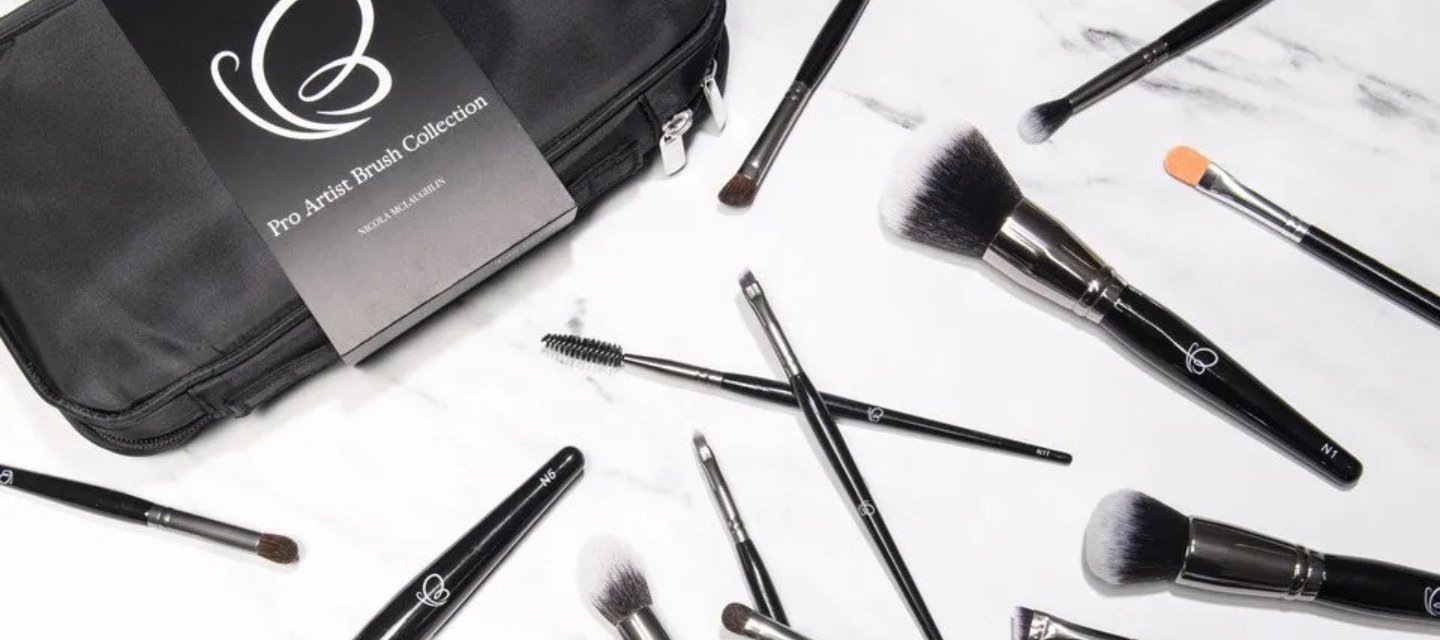
Makeup brushes are the backbone of any beauty routine. They can take your look from a 7 to a flawless 10, but with so many varieties on the market, it can be overwhelming to know where to start. This guide will not only walk you through the brushes every beginner needs, but also how to care for them, when to upgrade, and which ones you can’t live without.
A Quick History of Makeup Brushes
Did you know that modern makeup brushes were originally adapted from artist.s paintbrushes? Over time, they’ve evolved into tools designed for precision, skin sensitivity, and product versatility. Today, most professional brushes use high-quality synthetic fibres, softer, vegan, cruelty-free, and often better at handling creams and liquids than traditional animal hair.
The Essential Makeup Brushes for Beginners
Foundation Brush
The foundation brush is probably the most daunting of them all, but without a doubt, the most important. Your foundation is the primary makeup step you most need to perfect, it’s your canvas. The traditional foundation brush is flat with flexible bristles that are great for blending liquid or cream foundations.
Start in the middle of your face (where you need the most coverage) and blend in a downward motion. There are many types of foundation brushes from kabuki style to buffer style and even fluffier foundation brushes. They are each unique and provide a different finish to the foundation.
Concealer Brush
If you’d rather use a different brush for your concealer instead of your foundation brush, we’d suggest using a small rounded brush or flat topped brush to pat concealer into the skin. This helps make blending more precise and allows you to get into the little nooks and crannies of your face.
Powder Brush
This is the obligatory brush, simply because your makeup bag shouldn’t be without it. This brush can be used to apply any type of powder, however, it’s particularly great for pressed or loose powder to set the base you’ve worked so hard on.
Blush Brush
Blusher brushes tend to be either rounded or angled, and on the fluffier side – to pick up just the right amount of product. Swirl the bristles into powder blush and apply to the apples of the cheeks, guiding the product upwards towards your cheekbones. Our N6 Angled Blush Brush is perfect for the job.
Contour Brush
For adding definition to the face, an angled brush is a go-to for contouring. The angled shape fits perfectly under the cheekbones, and the soft bristles help blend out for a seamless look.
Highlighter Brush
As far as highlighting goes, you honestly don’t need a specific type of brush— even an eyeshadow brush can place highlights down exactly where you want it! However, the type of brush you pick will impact the strength of your highlight. I love our N8 Highlight Brush. It is fluffy and glides across the cheekbones effortlessly.
Eyeshadow Brushes
When it comes to eyeshadow, you’ll need a few different brushes. A flat, rounded brush works best to put product on the lid and brow-bone. A fluffy blending brush is essential for beautifully, softly blended eyeshadow. And to apply product in the narrow eye crease area, you’ll want a smaller type of blending brush with a tapered point.
- Flat shader brush: packs colour onto the lid
- Blending brush: softens and diffuses edges
- Crease brush: adds depth in the crease for definition
Eyeliner Brush
The one with flat, densely packed bristles becomes an essential tool when achieving winged eyeliner. Use eyeshadow or cream liner products for a precise flick that gets up close and personal with your lash line.
Brow Brush
This small, firm and densely packed brush is the one for ‘on fleek’ brows. Having a spoolie on the end is an added bonus and you’ll soon find it’s a hard one to live without.
Lip Brush
For those with slightly smaller lips, a lip brush can often be a lifesaver – especially when working with a bold colour. As an alternative to applying lipstick straight from the bullet, use the lip brush to remove pigment from the lipstick and apply to lips for ultra definition.
Blending Sponge
A blending sponge is a favourite tool for every makeup lover, and perfect for even foundation application.
The Sponge
OK, so forgive us. The beauty sponge is not technically a brush (let’s not get pedantic) but it’s a great tool to have among your stash of brushes. Sponges are a sure-fire way of achieving a flawless base, and actually, they work well for applying any cream or liquid product. We’re assuming you’ve all heard of a beauty blender, which is the holy grail of makeup sponges for many, we’re also big fans of the Butterfly Blender (produced in house), other notable mentions are Real Techniques Miracle Complexion Sponge (or the diamond one, that’s a good one too). Beauty sponges are particularly amazing for when you have more time in the morning as they can take a little longer than a brush to work their magic.
How to Use Basic Makeup Brushes
Stippling Brush
This flat-topped brush helps you build coverage gradually. This brush is suitable for the application of any type of liquid and cream product, while the stippling motion warms up the product to blend it flawlessly for an airbrushed finish.
Fan Brush
For the highlighter enthusiasts out there, the fan brush is a game-changer for the ‘highlight on fleek’ look. This is a great brush for experimenting with your highlight because the bristles lightly pick up product for a softer finish, which can also be built up for a more intense look if desired. Sweep the ends of the bristles across your cheekbones in an upwards motion and rock that glow!
Smudging Brush
This is the one for those of you wanting to master the smokey eye; its rounded tip will particularly help you when transitioning colours. It’s also great for smudging eyeliner or shadow across the lower or top lash lines.
Angled Fluffy Eye Brush
This brush is ideal for when you want a more precise application of eyeshadow. It also works well when winging out your shadow and blending shades together.
Top Tip: We like to keep our makeup brush game relatively strong with many useful duplicates (saves the weekly deep clean) Nothing is better than a fresh set of makeup brushes for your brush collection, but you’re going to need new products to use them with, right?
Precision Liner Brush
This brush is small, pointy, and packed full of synthetic hairs to help maintain its shape so you can draw precise lines in even the tiniest places. It is perfect for outlining your lips for lip liner or your lash line for tightlining your eyes. You can also use it for drawing cool, graphic eyeliner.
Duo-Fibre Brush
A duo-fibre brush contains two different kinds of bristles with two different lengths. The two types of bristles make the brush more compact at the base and finer toward the top. This brush is great for blending cream blushes and liquid highlighters and even powders and loose pigments.
Kabuki Brush
The kabuki brush is known for its short handles and dense hairs. A synthetic kabuki brush can be used to apply liquid foundation or body makeup for a medium-to-full coverage. The density of the brush makes it perfect for packing on superfine powders or mineral foundation for a fuller-coverage finish.
Foundation Brush
These types of brushes are typically dense and can be pinched flat (like a paintbrush), or are full, rounded, and dome-shaped. They are used for your mineral makeup or powder foundation. For a perfectly smooth foundation application, start in the middle of your face (cheeks and T-zone) and apply your foundation outward in smooth, even strokes to prevent harsh makeup lines around the edges of your jawline and hairline.
Blending Sponge
Many makeup artists and YouTubers opt for sponges to get an airbrushed, streak-free finish. Thanks to their rounded, smooth shape, sponges won’t leave behind any weird lines or stray bristles, and their damp surfaces help sheer out your heavy full-coverage foundation, concealer, or cream blush for a natural finish.
Concealer Brush
Concealer brushes are ideal for targeting small, specific areas that you want to be concealed. They are typically made with nylon, which works well to smoothly place liquid or cream concealer formulas down.
Powder Brush
If shiny T-zones or under-eye creases are your main annoyance, a powder brush is your new best friend. Depending on the area you’re looking to cover, the size of this brush varies from small to large and typically has long, dense, fluffy bristles. It’s meant to ever-so-lightly “set” your liquid/cream foundations or buff and blend out powder foundations, depending on your needs.
Bronzer/Blush Brush
Find a bronzer and/or blush brush with long, fluffy bristles and a dome shape to evenly diffuse your powder pigments.
Contour Brush
The contour brush is a versatile tool that can take on many forms. Some have sharp, straight-cut bristles, while others may have an “S” shape to hug the shape of your cheekbones. The slanted contour brush is the most versatile, making it easier to contour your face shape by blending your contour powder cleanly and precisely beneath your cheekbones, jawline, and forehead.
Highlighter Brush
The shape of your highlighter brush depends on the level of glow you want. Use a long, tapered brush or a fan brush with very long bristles for a more diffused effect, or grab a brush with short, dense bristles to make even a cheap highlighter look super bright and opaque.
Fan Brush
The fan brush is aptly named for its fanned out and flat bristles. These brushes can come in smaller sizes with sparse bristles, or they can expand up to a couple of inches at their widest point and be packed with dense brush hairs. They are perfect for sweeping away fallout or excess setting powder under your eyes or applying highlighter along your cheekbones.
Flat Eyeshadow Brush
An eyeshadow shading brush is key for getting an opaque, even layer of colour on your lids. These brushes are typically flat, rounded at the tip, and dense so they can pick up a bunch of powder or cream for a concentrated colour payoff.
Eyeshadow Crease Brush
Unlike a shader brush, an eyeshadow blending brush blends out the powders for a really sheer, diffused finish, basically the smoke behind a Smokey eye or the trick to a natural-looking shadow. These brushes are known for their tapered shape and soft, fluffy bristles to help you really blend, blend, and blend without scratching your lids.
Pencil Brush
A pencil brush kind of does it all: smudges out your eyeliner, pushes eyeshadow straight into your lash line, helps you precisely blend beneath your lashes, etc. When the other brushes are too big or too fluffy, grab this stiff, dense, tapered brush, especially if you plan to do a Smokey eye or any hazy, blended-out shadow.
Smudge Brush
The short, super-dense, packed bristles make this brush ideal for packing on the pigment exactly where you want it, then smearing it out. Because the bristles are wider and flatter than the precision pencil brush, this smudging brush is better for using along the upper and lower lash lines.
Eyeliner Brush
An eyeliner brush is one of your smallest brushes. Some have tapered and pointed tips, some have flattened and straight or slanted bristles, and on some eyeliner brushes, the stem is bent at a 45-degree angle to make it a little easier to get into tight spaces.
Eyebrow Brush
A dual-ended eyebrow brush has flat, blunt, and angled bristles to help you draw individual brow hairs using brow gel or powder. Use the spoolie side first to shape your brows, then flip it over to the firm, slanted bristles on this small eyebrow brush to fill in sparse brows with eyebrow powder.
Lip Brush
A lip brush has the same flattened, curved shape as a concealer brush but is usually smaller so that it can fit in the cupid’s bow and define the lips. Some lip brushes also have caps so you can load it with lipstick and keep it in your bag for quick touch-ups.
If You Could Only Buy 3
For absolute beginners, don’t stress about owning every brush straight away. Start with these three:
- Foundation Brush or Sponge – for your base
- Powder/Blush Brush – doubles up for setting and adding colour
- Eyeshadow Blending Brush – because unblended shadow is unforgiving
You can build your collection as your skills (and makeup bag) grow, and if you’d like to level up faster, [explore our Academy training page] where I teach hands-on techniques to get the most from your brushes
Brush Care, Cleaning & Storage
Brushes can hold onto oils, product build-up, and bacteria, which means dirty brushes can cause breakouts.
- Clean weekly with baby shampoo or a brush cleanser
- Lay flat to dry to prevent water loosening the glue in the ferrule
- Store upright in holders, or in a zipped brush roll when travelling
Nicola’s Tip: I wash mine every Sunday evening, it’s part of my routine, and it keeps my brushes and skin healthy.
The Right Makeup Brushes
Having the right makeup brushes in your collection offers much more versatility and the ability to create endless looks, as well as providing a more professional finish to your makeup. They also help in the application of makeup products more hygienically than using your fingers.
Remember, the key to a flawless makeup application is not just the makeup itself, but also the tools you use to apply it. So, invest in a good set of makeup brushes and learn how to use them properly. Your face will thank you!


